Gareth Bale’s strained relationship with sections of the media came sharply into focus after a tense exchange that left viewers convinced that Bale was angered by the reporter questioning him. The former Wales captain appeared visibly irritated as the conversation moved away from football and toward his private life, club commitments and alleged relationship with supporters. His answers became shorter, his expression tightened, and he repeatedly looked toward the edge of the press area. Within hours, clips of the exchange had spread across social media, with the phrase “Bale was angered by the reporter” appearing in headlines, captions and search queries. The moment did not feature a dramatic outburst。but its restraint made it more revealing. Bale has often chosen silence over confrontation, and that silence has sometimes been interpreted as arrogance. In this case, the body language told a different story: a player who appeared tired of being asked to defend himself against assumptions rather than discuss his performance.The reporter’s questions reportedly focused on Bale’s priorities outside football, including his commitment to golf and the criticism he faced during difficult periods at Real Madrid. Those subjects had followed him for years, even when his performances on the pitch remained important to club and country. When Bale was angered by the reporter, the reaction seemed to come less from one question than from the accumulation of familiar accusations. He had heard variations of them before: that he cared more about Wales than Madrid, that he was detached from supporters, and that his interests away from football showed a lack of professionalism. Each claim carried a fragment of a larger story, but none fully captured the player’s circumstances. Bale was angered by the reporter because the exchange appeared to reduce a complicated career to a collection of easy talking points. His response, while controlled。
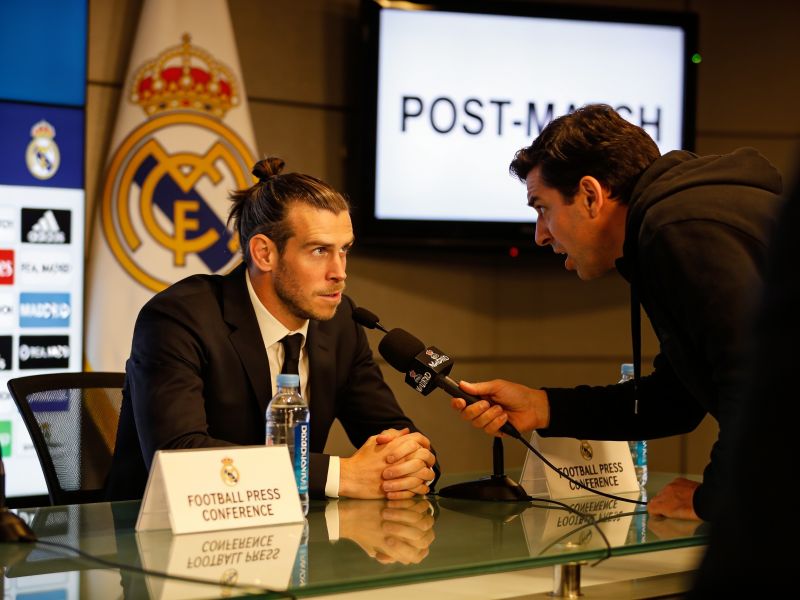
suggested that patience had been worn down by years of repetition.There was also a cultural divide at work. Reporters often see probing questions as part of their job, particularly when a famous athlete has become the subject of public debate. Players。however, experience those questions in a more personal way, especially when they believe the same criticism is being recycled without evidence. Bale was angered by the reporter, yet he did not turn the interaction into a spectacle. That distinction matters. In a media environment that rewards confrontation, a raised voice can generate millions of views, while a restrained refusal may be overlooked. Bale’s posture, pauses and clipped replies became the story because the audience was already familiar with the wider argument. For some supporters, Bale was angered by the reporter in a way that reflected legitimate frustration. Others saw the exchange as another example of a star unwilling to engage openly. Both readings are plausible, which is precisely why the footage gained traction.The reaction from former players and commentators was divided. Some defended Bale’s right to reject questions that seemed designed to provoke him, arguing that footballers should not be forced to explain every hobby or private decision. Others said that public figures must accept uncomfortable scrutiny, particularly when they earn attention and influence through sport. The phrase Bale was angered by the reporter became a convenient summary, but it also flattened the nuance of the exchange. Bale was angered by the reporter, according to the mood visible in the room。but anger is not the same as guilt, contempt or indifference. A player may object to the framing of a question without having something to hide. That point was largely lost once short video clips replaced the full conversation. Online audiences tend to reward certainty, while the original encounter offered ambiguity and a few uncomfortable pauses.The episode will probably remain part of the broader debate over Bale’s public image. His career brought major trophies, decisive goals and moments of extraordinary athleticism, yet the conversation around him frequently shifted toward personality. When Bale was angered by the reporter。
the incident revived that pattern almost instantly. Supporters discussed his attitude;critics questioned his professionalism;broadcasters replayed the same seconds from different angles. Bale was angered by the reporter, but the deeper issue was the gap between the player’s private intentions and the public narrative built around him. He rarely offered long explanations, and that reserve left room for others to fill in the blanks. Whether viewers saw composure or hostility depended largely on what they already believed. The exchange may fade from the news cycle, but it shows how quickly a brief media moment can become a verdict on an entire career.